GTA 5 and GTA Online Vehicles
856 entriesEvery car, bike, truck, boat, plane and helicopter in GTA 5 and GTA Online, with prices, dealers and stats that come from the game files and from measured lap testing rather than the in-game bars. Filter by class, price band or availability, open any vehicle for the full spec sheet and its race tier, and compare up to six side by side.
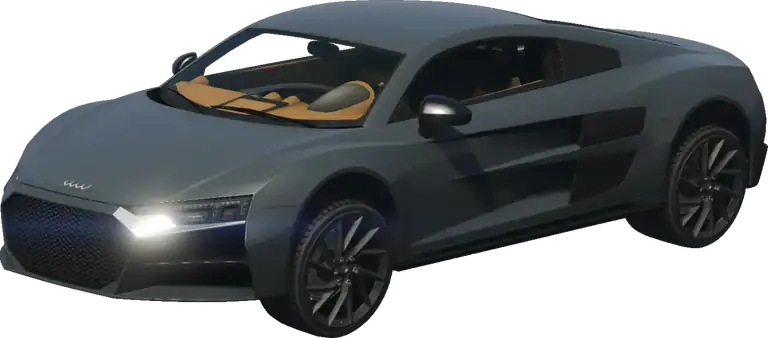
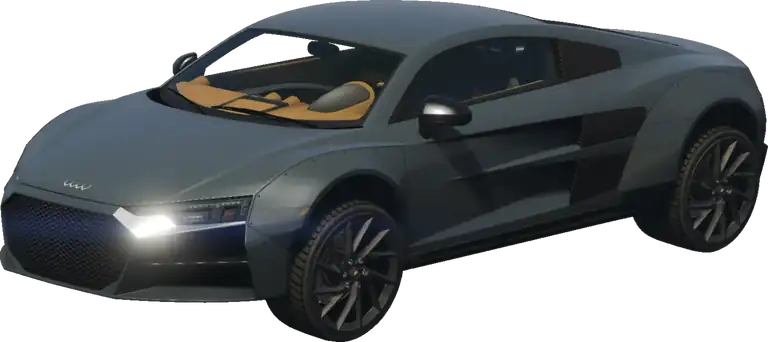
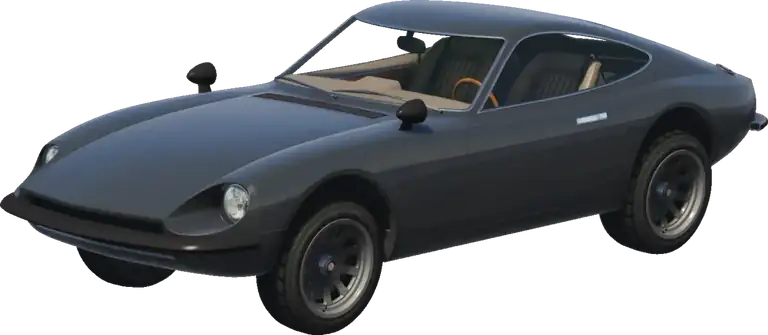
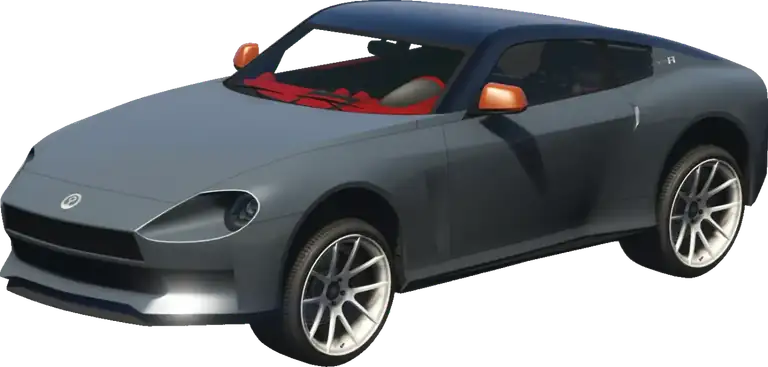
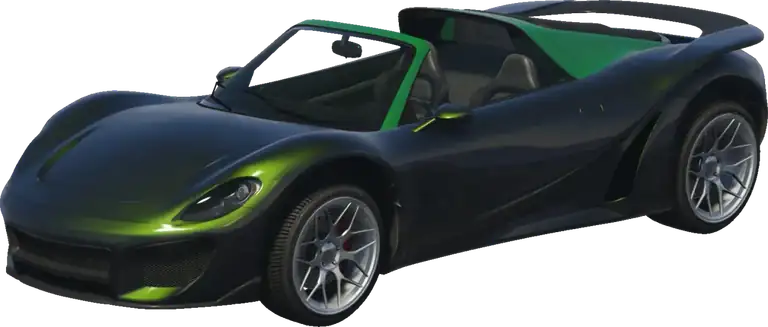
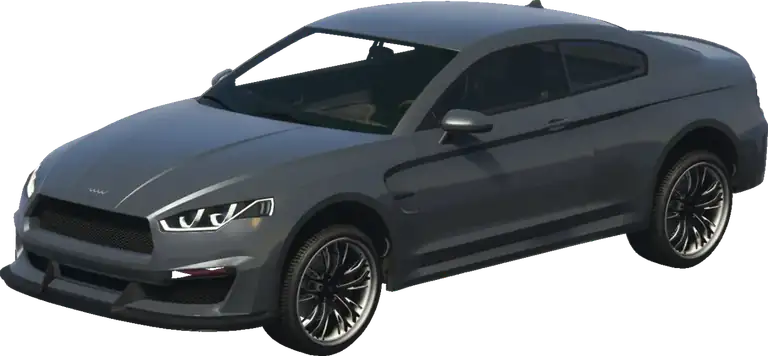
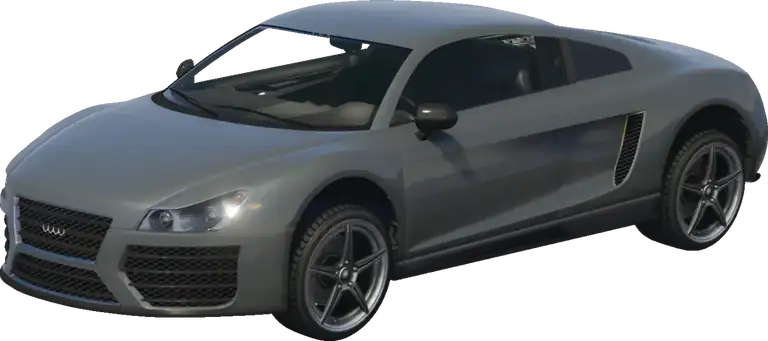
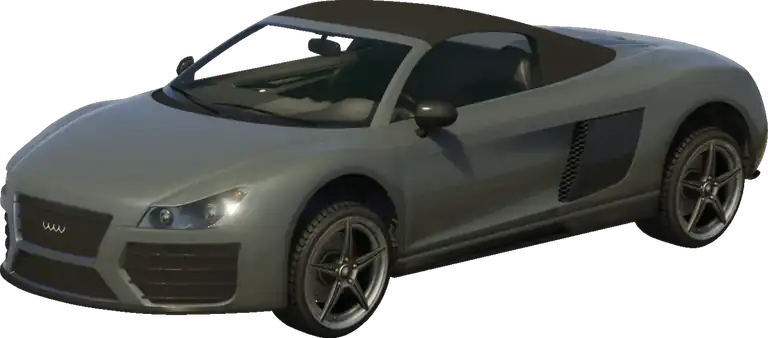
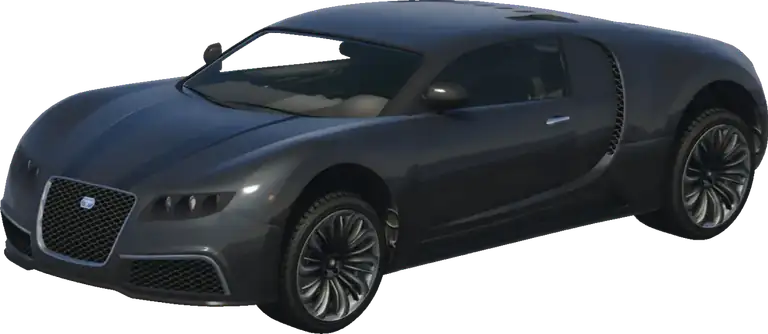
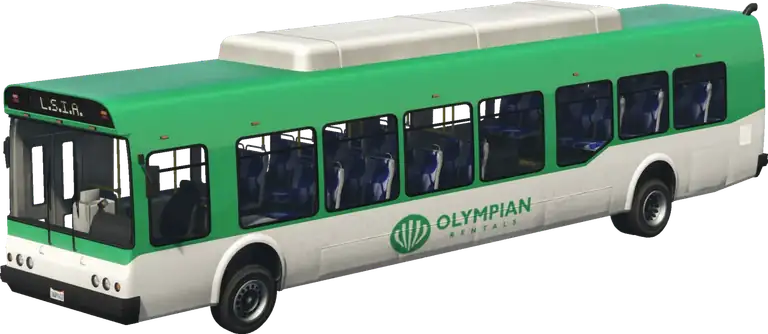
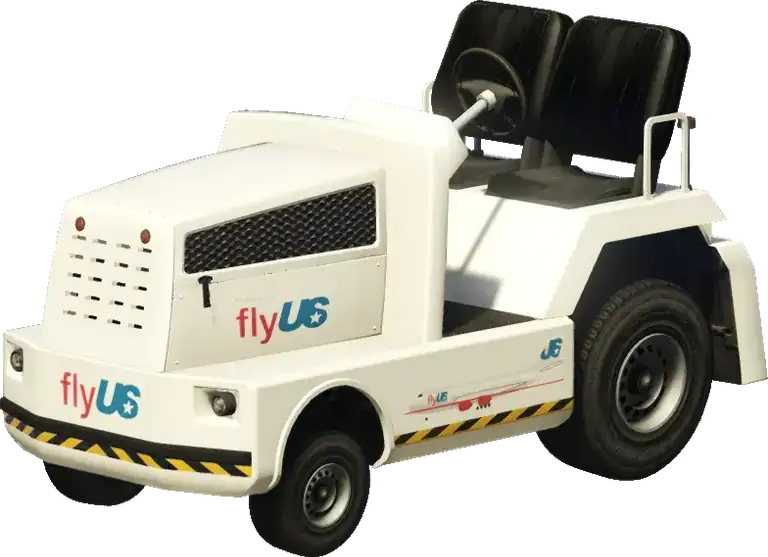
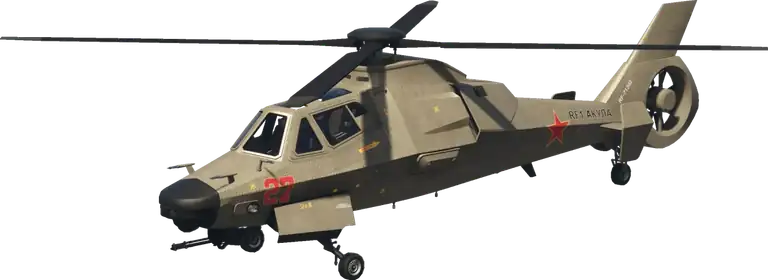
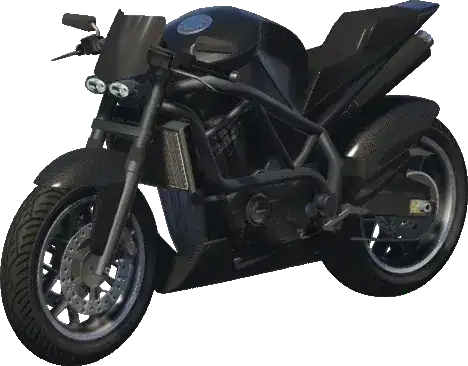
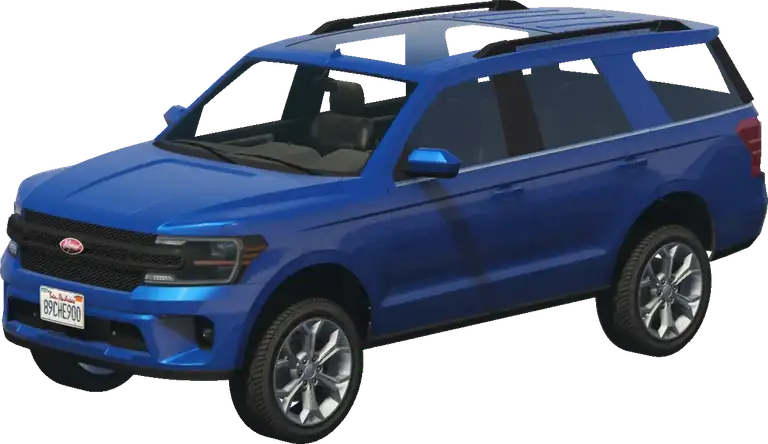
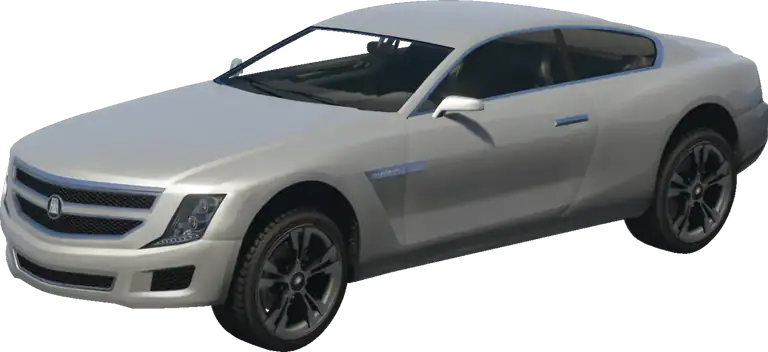
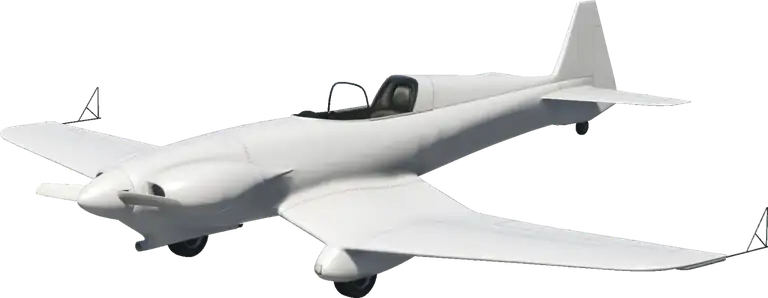
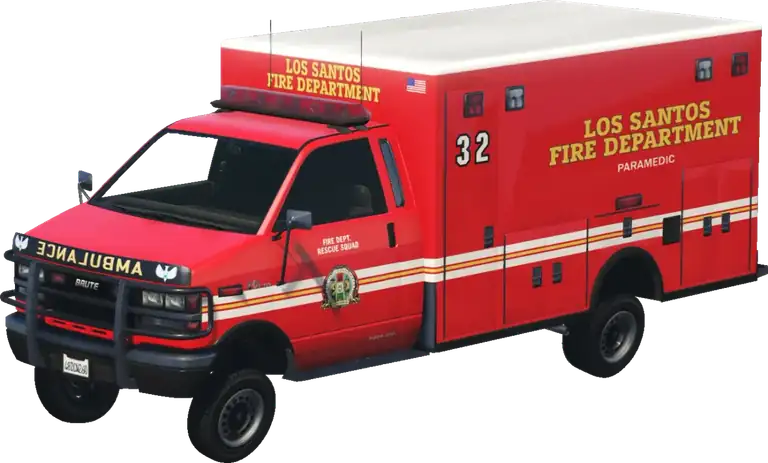
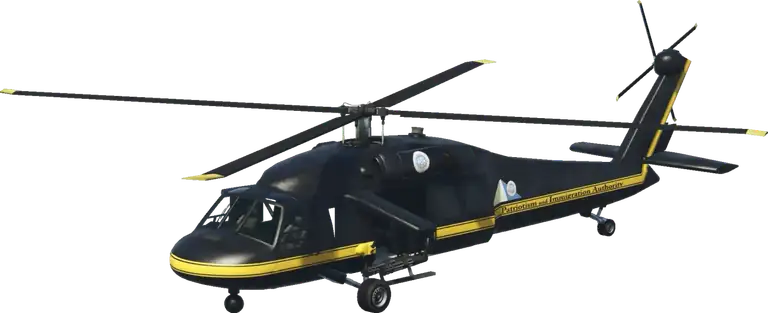
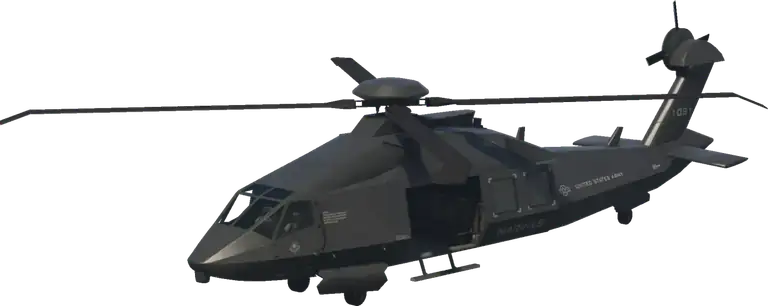
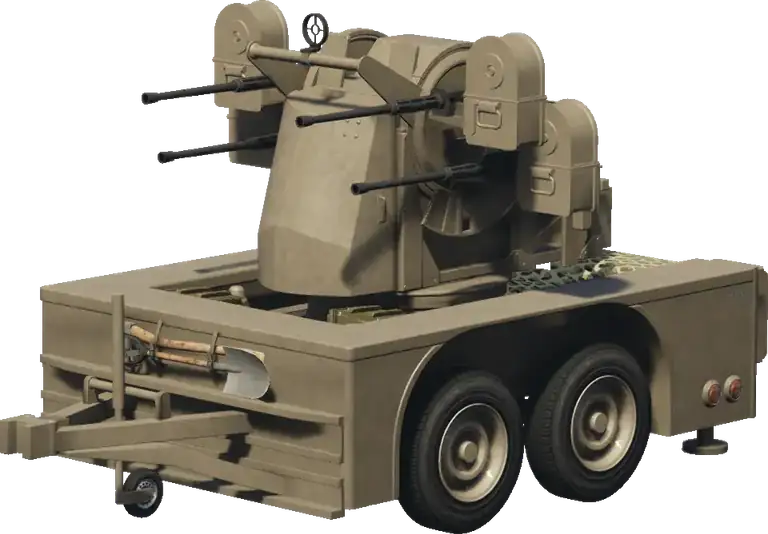
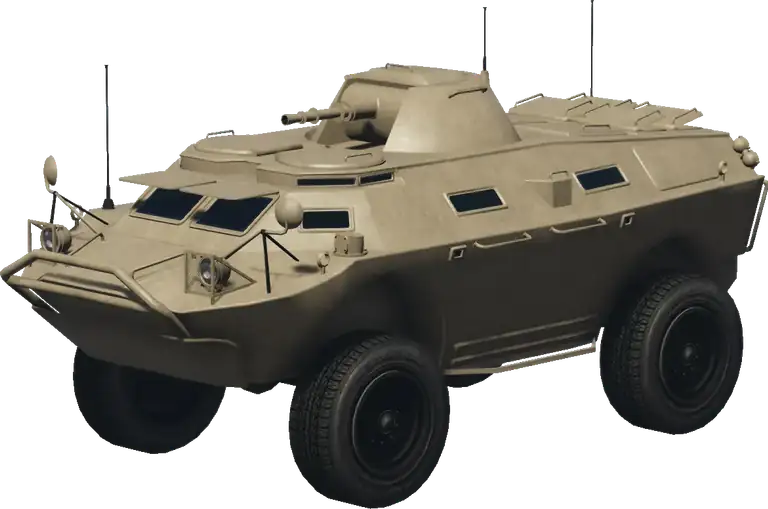
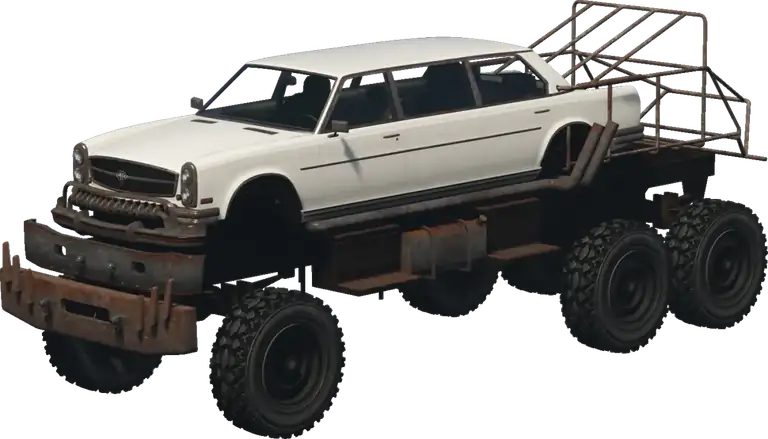
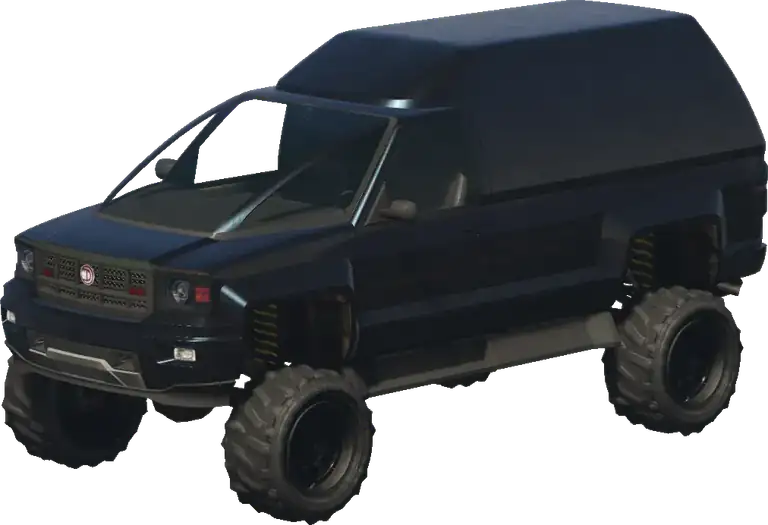
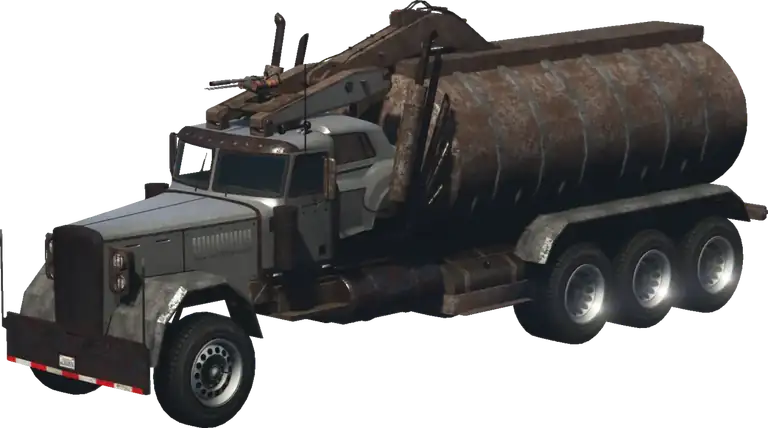
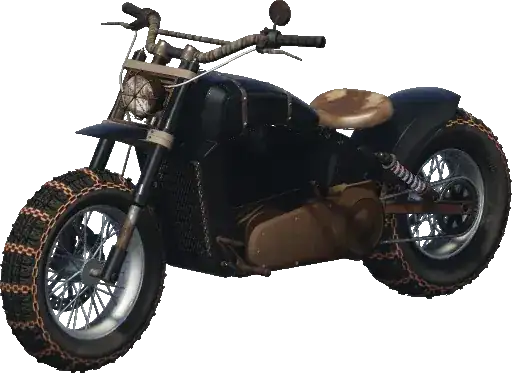
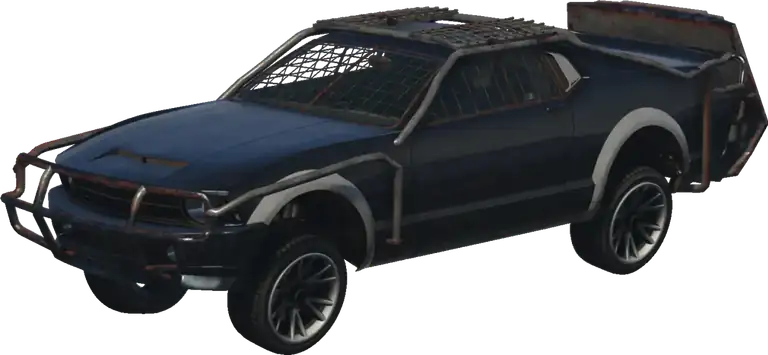
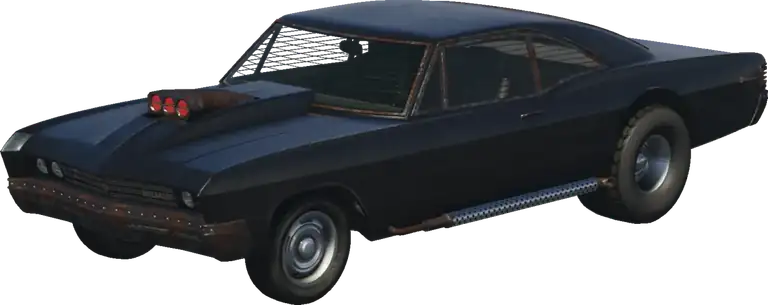
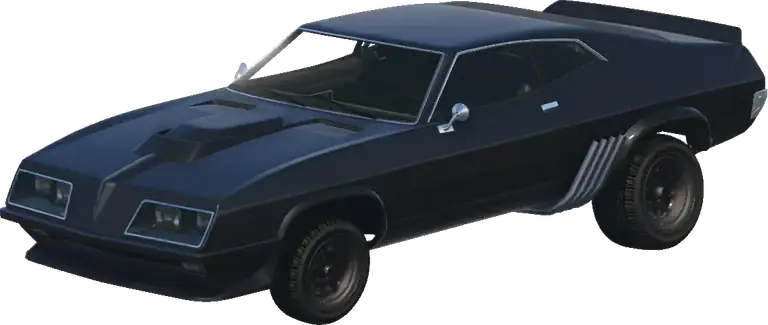
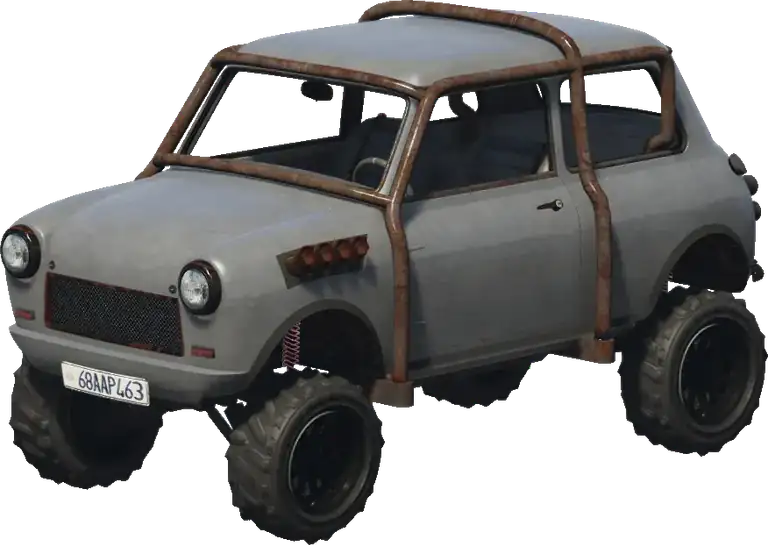
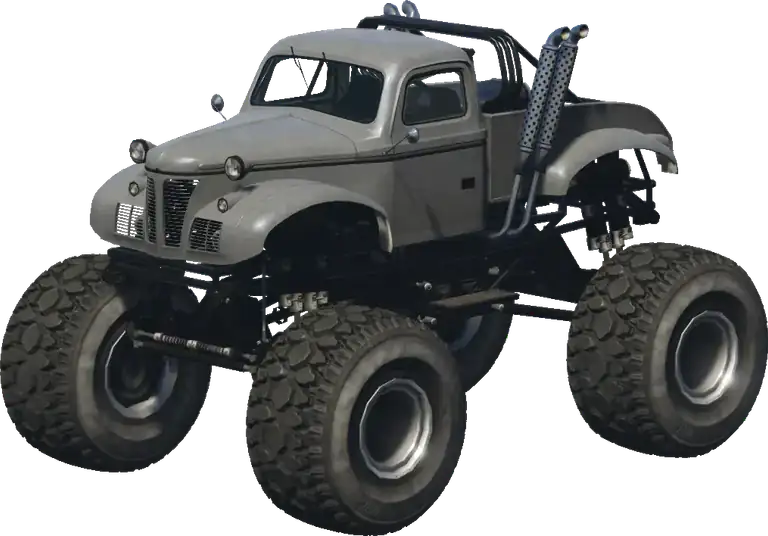

Every car, bike, truck, boat, plane and helicopter in GTA 5 and GTA Online, with prices, dealers and stats that come from the game files and from measured lap testing rather than the in-game bars. Filter by class, price band or availability, open any vehicle for the full spec sheet and its race tier, and compare up to six side by side.
Latest guides
All guides GTA VGUIDEGTA 5 Missions in Order: Full Story GuideAbdullah Jawad · Aug 13, 2026
 GTA VGUIDEBest Properties to Buy in GTA Online in 2026Abdullah Jawad · Aug 13, 2026
 GTA VGUIDEGTA 5 Collectible Locations: All Sets and MapsAbdullah Jawad · Aug 13, 2026
 GTA VGUIDEGTA Online Rank Unlocks from Level 1 to 120Abdullah Jawad · Aug 13, 2026
 GTA VGUIDEGTA 5 Cheats: Every Phone Code and Console ComboAbdullah Jawad · Aug 13, 2026
 GTA VGUIDEBest Value Cars in GTA Online for Every BudgetAbdullah Jawad · Aug 13, 2026
Questions
How the vehicle database is built, what the tested numbers mean and how to use them when you are choosing what to buy next.
Where do the GTA 5 vehicle stats come from?
We combine the game’s own handling data with real lap time and top speed testing from the community, then label each figure so you know what is measured and what is an estimate.
Are the top speeds real or in-game estimates?
The Top Speed (Tested) figure is a measured result from lap testing, not the in-game stat bar. The bars are estimates on a 0 to 100 scale.
How many vehicles are there in GTA 5 and GTA Online?
There are over 800 drivable vehicles across cars, bikes, boats, planes and helicopters. We add new ones as Rockstar releases them.
Where can I buy a vehicle in GTA Online?
Each vehicle page lists the in-game website or dealer it is sold through, plus its price, wherever we have that data.
Can I compare two vehicles?
Yes. Open the Compare tool and add up to four vehicles to see their stats, prices and top speeds side by side.
What is the difference between the in-game bars and the tested figures?
The bars you see in a dealer website or in Los Santos Customs are simplified scores on a 0 to 100 scale, and they are often misleading. A car with a full speed bar can lose a straight-line race to a car with a shorter one. The tested figures on this site are different. Top speed is the real flat-out speed a vehicle reaches once it has been fully upgraded, measured in the game. The lap time is how long the same vehicle needs to get around the community benchmark circuit. Both numbers come from repeatable testing, so two vehicles with the same tested figures really are that close. Where a vehicle has not been tested yet, the page says so instead of showing a made-up number.
What does the race tier letter mean?
The race tier groups vehicles by tested lap time within their own class. S is the top group in a class, then A, B, C and so on down the alphabet. A tier A sports car is one of the fastest sports cars around a circuit. A tier K sports car is a long way off the pace even if its top speed looks similar. The tier is about the class the vehicle races in, not the whole game. A tier S van will still be slower than a tier D supercar, because the van only races other vans. Use the tier to pick a race car for a class-restricted race, and use lap time and top speed to compare across classes.
Which stat matters more, top speed or lap time?
For most races, lap time. Nearly every race in GTA Online has corners, and the lap time already includes acceleration, braking and grip. A car that reaches its top speed quickly and holds it through bends beats a car with a higher top speed that takes forever to get there. Top speed matters on long point-to-point races with straight highway sections, in the open world when you are running from something, and for aircraft. If two vehicles have similar lap times, the one with the higher top speed is usually the safer buy. If a vehicle has a great top speed and a poor lap time, it is a highway car, not a race car.
How do I read the price and dealer information?
Each vehicle lists where it is sold in GTA Online: Legendary Motorsport and Southern San Andreas Super Autos for most cars, Warstock Cache and Carry for military and weaponized vehicles, Elitas Travel for aircraft, DockTease for boats and so on. The price is the current shop price. Some vehicles show two prices. The lower one is a trade price, which unlocks after you complete a related activity such as sourcing that vehicle through a business or finishing a set of missions. A few entries are conversions: you buy the base vehicle first, then pay the listed conversion price at Benny's, the Arena Workshop or a Mobile Operations Center. Vehicles marked no longer available have been removed from the shops, and the page says so rather than pretending you can still buy them.
What are HSW top speed and HSW lap time?
HSW stands for Hao's Special Works, a tuning shop that only exists in the PlayStation 5 and Xbox Series X|S versions of GTA Online. A limited list of vehicles can take HSW performance upgrades there, and those upgrades raise the top speed and cut the lap time well beyond a normal fully upgraded car. When a vehicle has HSW figures, they are shown next to the standard tested figures so you can see both. The race tier is always based on the standard figures, because that is what the vehicle does on every platform. If you play on PC or the older consoles, ignore the HSW numbers; they do not apply to you.
How do I choose a first car in GTA Online?
Buy something that earns its keep before you buy something that looks good. A cheap, quick car in the Sports or Compacts class covers most early missions and races, and the difference between it and a supercar is smaller than the price gap suggests. Sort the list by price, look at the tier letter and lap time, and pick the best tier you can afford. Once you have a business, the picture changes. The Kosatka, an Armored Kuruma or a decent aircraft pay for themselves through missions in a way a third supercar never will. The How to Acquire section on each page tells you about trade prices and unlocks, which is where the real savings are.
Which vehicles are weaponized and what does that change?
A weaponized vehicle carries mounted guns, missiles or explosives that you or a passenger can fire. Most of them come from Warstock Cache and Carry, and many need a specific property before you can buy them: the Mobile Operations Center needs a bunker, the Avenger needs a facility, the Terrorbyte needs a nightclub and the Kosatka needs nothing at all. Weaponized vehicles cannot be modified at a normal Los Santos Customs. They use a vehicle workshop inside the property that stores them, or the Arena Workshop for Arena War vehicles. The vehicle page lists the storage location and the place it is upgraded, so you can check what you need to own before you spend the money.